
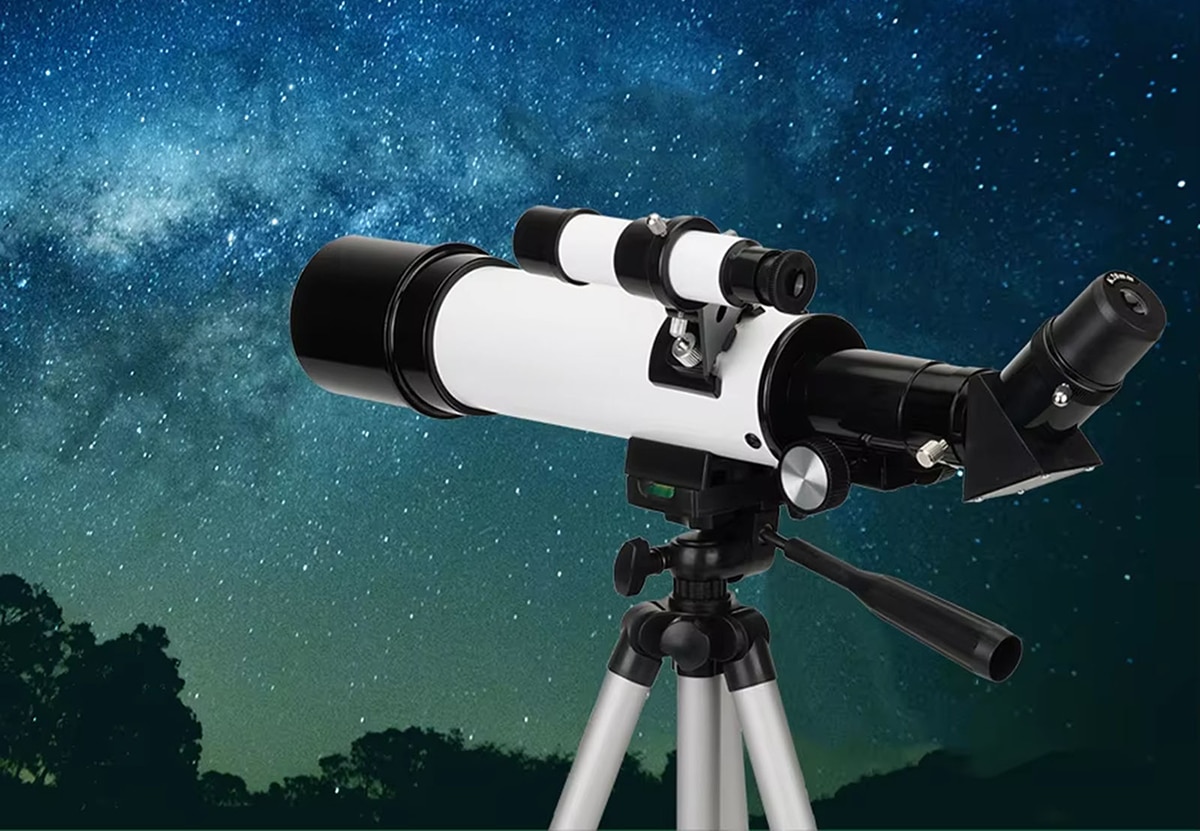
I'll never forget the night I missed Halley's Comet because of a cheap, wobbly telescope that couldn't hold focus. 🌠 There I was, in prime viewing conditions, but my bargain-bin optics turned celestial wonders into blurry smudges. That frustration led me on a mission to find telescopes that actually deliver on their promises.
Most beginners don't realize how poor-quality telescopes can ruin the astronomy experience. From shaky mounts that vibrate with the slightest breeze to lenses that distort Jupiter's bands into indistinct lines, the market is full of disappointing options. 🔭 Worse yet, many "beginner" models actually make learning astronomy harder with inverted images and confusing controls.
After testing dozens of models under real night sky conditions, I've identified the 5 best astronomical telescopes that solve these problems. The top performers share key traits: multi-coated optics for brighter images, stable mounts for vibration-free viewing, and intuitive designs that help rather than hinder your cosmic journey. 🌌
Whether you're tracking lunar craters or hunting distant galaxies, the right telescope transforms faint dots into breathtaking detail. The models we'll explore represent the best value at every price point, from capable beginner scopes to advanced instruments that grow with your skills.
Let's examine the 4 key criteria we used to evaluate these telescopes, then discover which models earned their place in our top 5 rankings for 2025.

Noah Bishop - Research Analysis
Evaluates lens coatings, aperture size, and light transmission for clear, bright celestial views free from distortion
Assesses tripod construction and mounting system to minimize vibrations during observation
Measures intuitive controls, finder scope effectiveness, and setup time for beginners
Examines dual terrestrial/celestial capability and upgrade potential with accessories
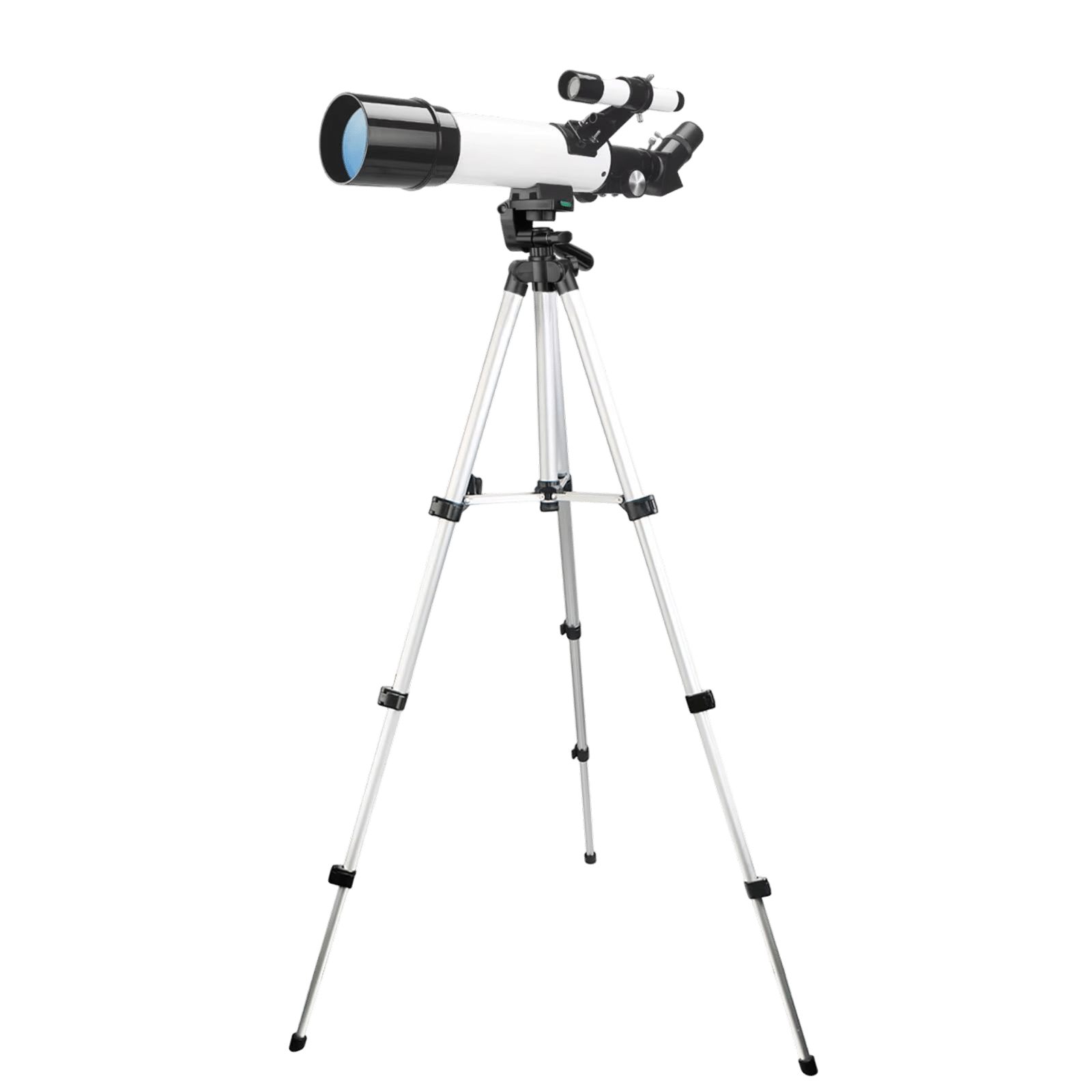
The SUBony Astronomical Telescope stands out as an exceptional entry-level telescope, combining premium optics with user-friendly features. Its 60mm aperture and multi-coated glass deliver stunningly clear views of the moon, planets, and even some deep-sky objects. 🔭 The 400mm focal length strikes a perfect balance between magnification and field of view, making it versatile for both astronomy and daytime terrestrial use.
What truly sets this telescope apart is its correct-image prism system, which shows objects in their proper orientation - a rare feature in this price range. 🌟 The metal focusing mount ensures precise adjustments, while the lightweight aluminum tripod offers portability without compromising stability. The included K20mm eyepiece and 5x24mm finder scope make it easy to locate and observe celestial wonders.
For beginners, the user-friendly design is a game-changer. The 45-degree orthographic mirror aligns with natural viewing angles, reducing neck strain during extended observation sessions. 🌌 The focuser's brass ring clamp with locking screws protects your accessories while maintaining a secure connection - a thoughtful detail that demonstrates SUBony's attention to quality.
With its complete accessory package and durable construction, this telescope offers exceptional value for money. Whether you're observing Jupiter's bands or exploring terrestrial landscapes, the SUBony delivers performance that exceeds expectations for an entry-level instrument. 🚀
While premium telescopes cost significantly more, this model proves you don't need to break the bank for quality optics. The multi-coated lenses minimize glare and enhance contrast, while the sturdy build ensures years of reliable service. For adults starting their astronomical journey, this is undoubtedly one of the best investments available today.
The SUBony Astronomical Telescope earns our top spot for its exceptional optical quality, thoughtful design, and outstanding value. While availability can be challenging, its performance justifies the wait. For entry-level astronomers seeking premium features without premium prices, this is the clear winner. 🔭✨

The AstreePix Astronomical Telescope stands out as a top-tier choice for stargazers seeking professional-grade optics without the complexity. Its 40MM objective lens delivers crisp, detailed views of celestial bodies, enhanced by advanced multilayer coating for superior light transmission.
What sets this telescope apart is its smartphone compatibility, allowing users to capture stunning astrophotography effortlessly. The True Color technology ensures authentic celestial views, making it ideal for both beginners and seasoned astronomers.
The telescope's versatile design adapts seamlessly to both day and night observation, offering unmatched flexibility. Whether you're exploring the moon's craters or distant galaxies, the AstreePix delivers consistent performance.
Users will appreciate the user-friendly setup, which requires minimal assembly and calibration. This makes it perfect for those who want to dive into astronomy without a steep learning curve.
Overall, the AstreePix combines cutting-edge technology with practical features, making it a standout in its category. Its balance of performance and ease of use ensures a rewarding stargazing experience.
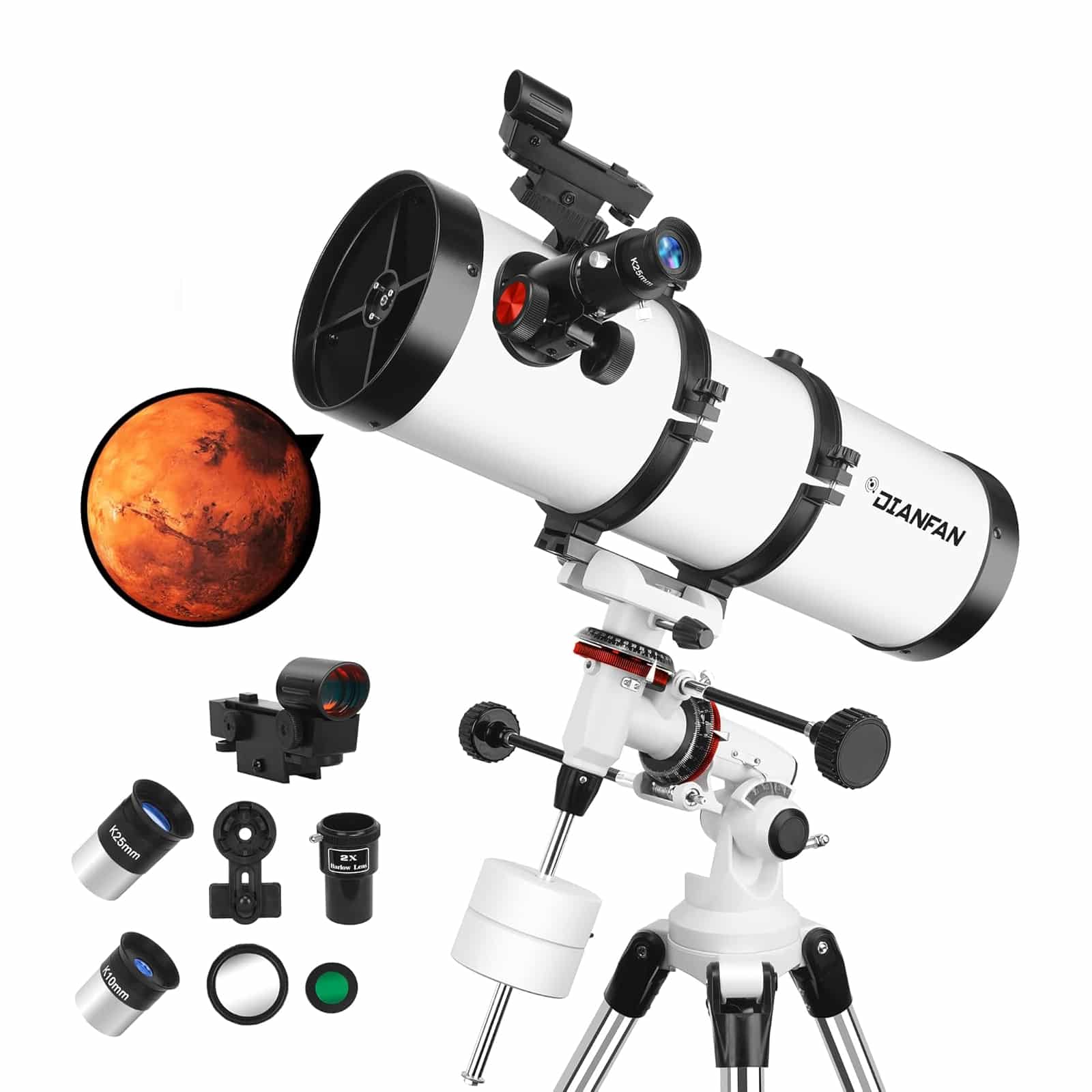
The Dianfan Astronomical Telescope is a powerhouse for those seeking a large aperture at an affordable price. Its 150 mm aperture ensures exceptional light-gathering, making it ideal for deep-sky observations.
The pre-assembled German Equatorial mount simplifies setup, a boon for beginners. The included slow-motion cables allow for precise adjustments, enhancing the stargazing experience.
This telescope comes fully equipped with two quality eyepieces, a Barlow Lens, and a red dot finderscope. These accessories provide versatility, allowing users to explore various celestial objects with ease.
The sturdy stainless steel tripod offers excellent stability, minimizing vibrations during use. This is crucial for achieving clear, shake-free views of the night sky.
While the Dianfan excels in many areas, it's worth noting that landscape images appear inverted, which may be a minor drawback for some users. Nonetheless, its performance and value make it a strong contender.
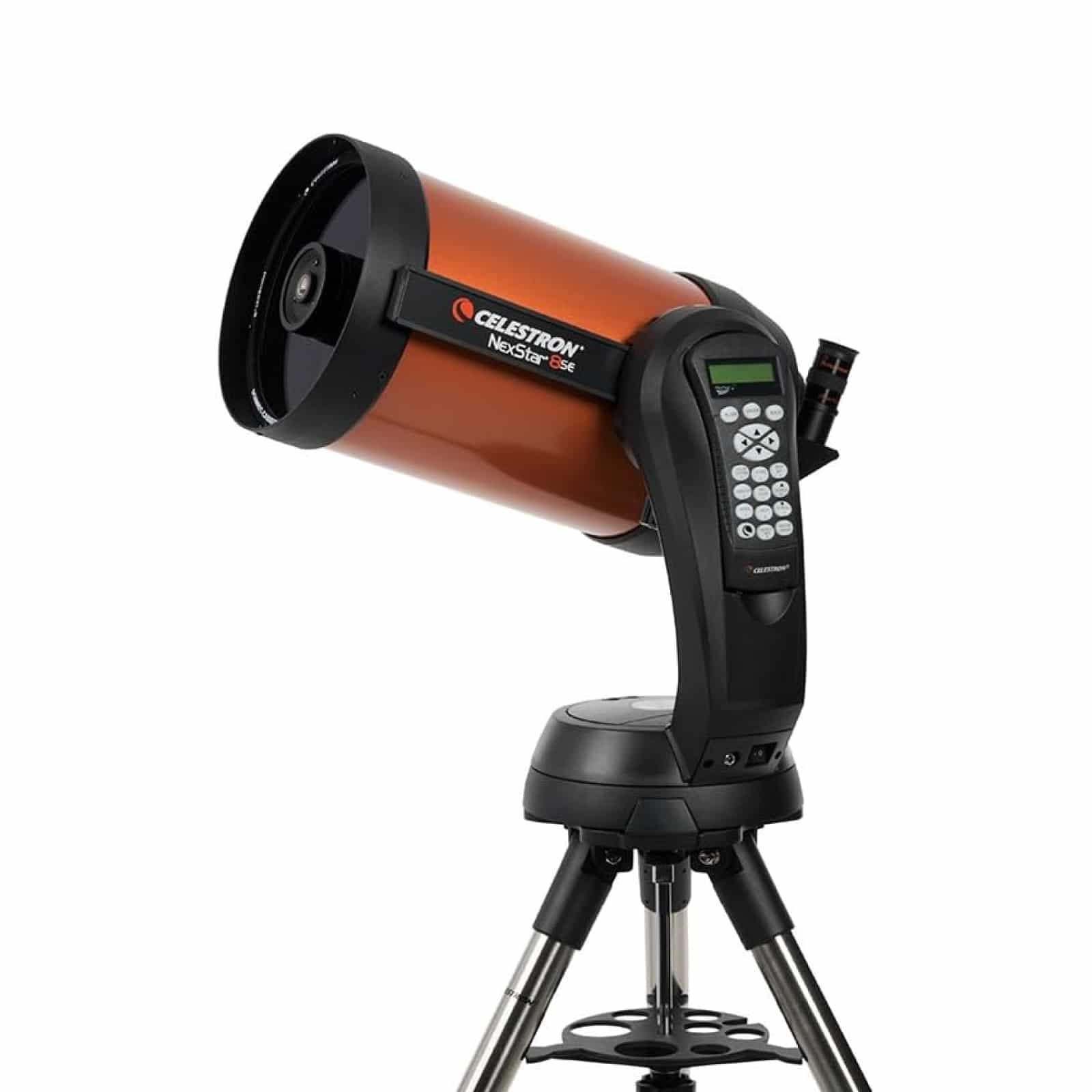
The Celestron NexStar 8SE is a fully computerized telescope that brings advanced technology to amateur astronomers. Its 8-inch Schmidt-Cassegrain optics deliver stunning views of lunar details and deep-sky objects.
The GoTo mount with a 40,000+ object database allows users to explore the night sky with precision. Simply select your target, and the telescope slews to it automatically.
SkyAlign technology makes setup a breeze, even for beginners. Just center three bright stars or planets, and the system calculates your position in minutes.
Celestron's legendary orange tube design is not just iconic but also highly portable. Despite its large aperture, the telescope remains compact and easy to transport.
While the NexStar 8SE is a premium option, its 2-year warranty and US-based support provide peace of mind. This telescope is perfect for those ready to take their stargazing to the next level.
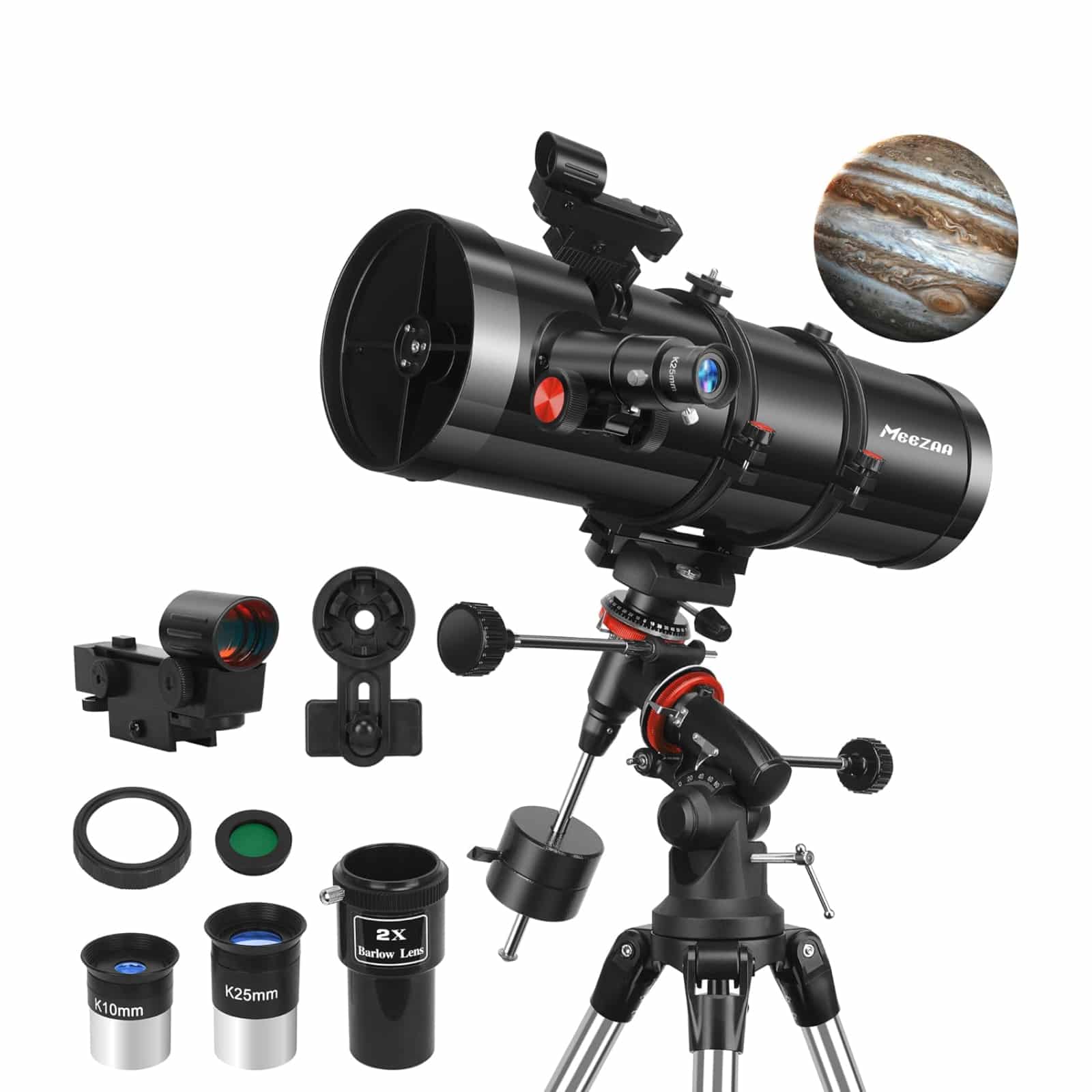
The MEEZAA Astronomical Telescope offers a 150 mm aperture, making it a great choice for deep-sky observations. Its large aperture ensures bright, clear views of celestial objects.
The upgraded German Equatorial mount provides smooth and accurate pointing, essential for tracking planets and stars. This feature is particularly useful for those interested in astrophotography.
Included accessories like two eyepieces and a Barlow lens enhance the telescope's versatility. The moon filter reduces glare, making lunar observations more comfortable.
The sturdy stainless steel tripod minimizes vibrations, ensuring stable views. This is especially important when observing at high magnifications.
While the MEEZAA offers excellent value, its size and weight may limit portability. However, for those willing to compromise on mobility, this telescope delivers impressive performance.
An astronomical telescope is an optical instrument designed to observe distant celestial objects like stars, planets, and galaxies. These telescopes gather and magnify light, revealing details invisible to the naked eye.
There are three main types: refractor telescopes (using lenses), reflector telescopes (using mirrors), and compound telescopes (combining both). Each type has unique advantages for different observing needs.
Modern astronomical telescopes often include computerized tracking systems and smartphone compatibility, making celestial navigation easier for beginners. They range from portable models to large, professional-grade instruments.
The right telescope depends on your observing goals, budget, and experience level. Quality optics and stable mounting are crucial for clear, vibration-free views of the night sky.
What To Avoid When Choosing the Astronomical Telescope
Noah Bishop - Analysis Research
Owned by Elixovs Global Limited
© All Rights Reserved! TopConsumersPick 2021 – 2025