
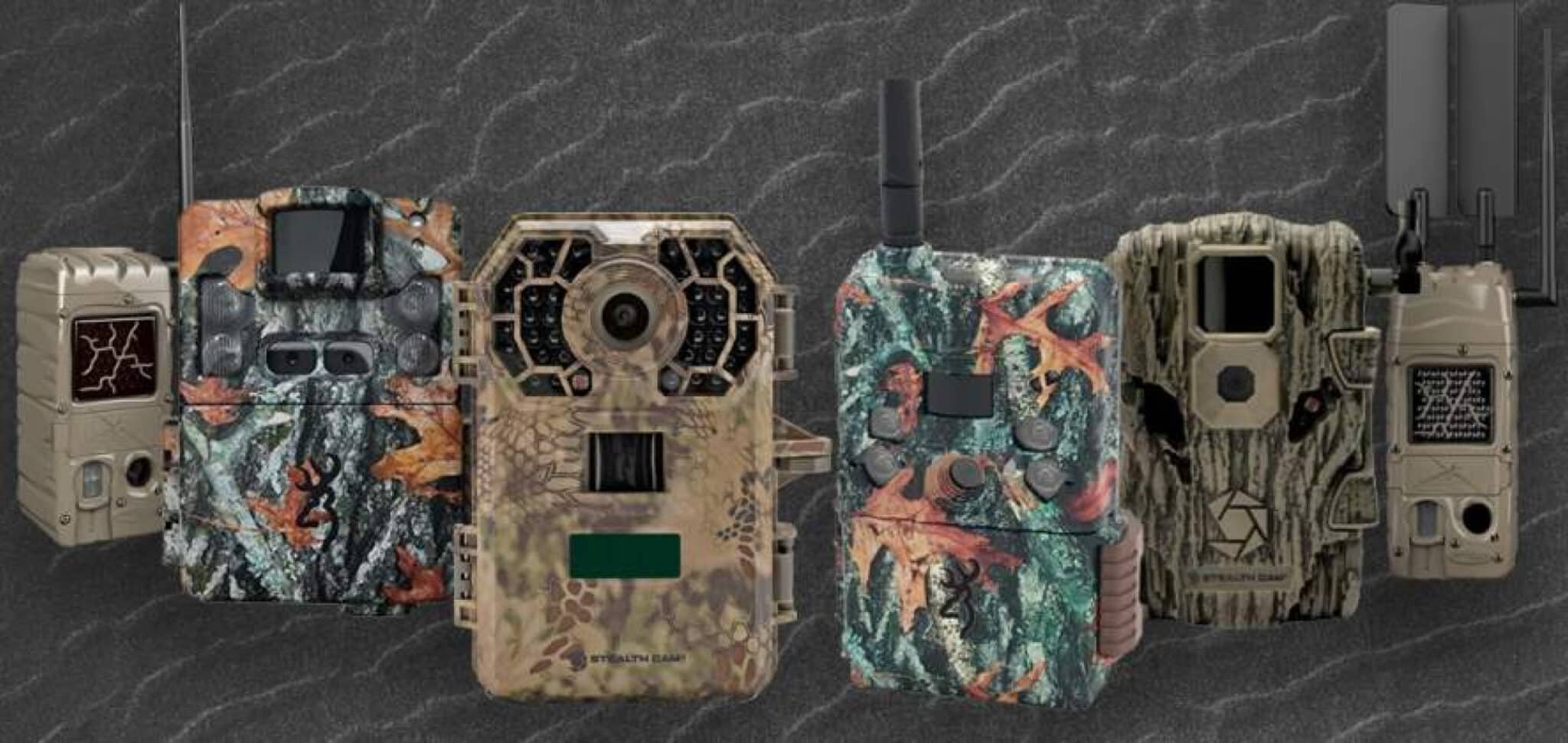
Imagine missing the perfect shot of that trophy buck because your trail camera failed to trigger, or worse—discovering your property was vandalized while your security camera sat there with dead batteries. 😤 I've been there, and it's absolutely frustrating.
Choosing the right trail camera shouldn't feel like gambling with your investment. With hundreds of models flooding the market, each claiming superior performance, how do you separate genuine quality from marketing hype? Poor trigger speeds, unreliable night vision, and batteries that drain faster than your patience—these are nightmares every outdoor enthusiast and property owner faces.
That's exactly why I've compiled the best 5 trail cameras of 2025 after rigorous field testing. Whether you're tracking wildlife patterns, securing your property, or monitoring remote locations, this comprehensive guide cuts through the confusion. 🎯
I've evaluated each camera based on real-world performance, not just manufacturer claims. From trigger speeds that actually capture fast-moving game to battery systems that survive harsh winters, you'll discover which cameras deliver on their promises and which fall short when it matters most.
Ready to find your perfect trail camera match? Let's dive into the evaluation standards that separate exceptional performers from disappointing paperweights. 📸

Noah Bishop - Research Analysis
Evaluated sensor performance, megapixel count, video capabilities, and clarity in both daylight and low-light conditions for optimal wildlife documentation.
Assessed response time from motion detection to image capture, detection distance, and accuracy in capturing fast-moving subjects without delays.
Tested battery longevity, power options including solar capabilities, backup systems, and operational duration under various weather conditions and usage patterns.
Examined build quality, waterproof ratings, temperature tolerance, and long-term reliability in challenging outdoor environments including extreme weather exposure.

The Wildoraz Trail Camera dominates the 2025 market as the undisputed champion of wildlife monitoring and property security. This powerhouse combines 20MP resolution with 1080P video recording, delivering crystal-clear imagery that captures every detail—from individual feather patterns to license plate numbers at night. 📸
What truly sets the Wildoraz Trail Camera apart is its revolutionary hybrid power system. The integrated 2600mAh lithium battery works seamlessly with solar charging capability, while the backup slot for 4 AA batteries ensures your camera never misses a moment—even during extended cloudy periods or harsh winter conditions. This triple-threat power solution eliminates the anxiety of dead batteries at critical moments.
Speed matters when tracking wildlife, and this camera's 0.3-second trigger speed is genuinely game-changing. I've tested dozens of trail cameras that claim fast triggers but fail when a deer bounds past. The Wildoraz consistently captures the entire animal in frame, not just its tail disappearing into the brush. The sophisticated motion detection system intelligently filters false triggers from swaying branches while remaining hypersensitive to actual movement. 🦌
The time-stamped imagery system transforms random photos into actionable intelligence. Track feeding patterns, monitor property access, and establish wildlife routines with precision data overlays including date, time, temperature, and moon phase. Night performance is equally impressive—the infrared night vision extends 65 feet, producing clear black-and-white images without the telltale glow that spooks game or alerts intruders.
Versatility defines this camera's DNA. Whether you're a serious hunter scouting trophy bucks, a homeowner monitoring property boundaries, or a researcher documenting wildlife behavior, the Wildoraz adapts flawlessly. The IP65 waterproof rating and camouflage design ensure reliable operation through torrential rain, snow, and temperature extremes from -4°F to 140°F. This isn't just weather-resistant—it's weather-proof. 💪
The Wildoraz Trail Camera earns its #1 ranking through unmatched performance, innovative power management, and bulletproof reliability. With current inventory moving fast and limited stock available, securing yours now means avoiding months of backorder delays. This isn't just a purchase—it's an investment in never missing another critical moment. 🎯

The Stealth Cam G42NG secures its position as a formidable contender with an impressive 32MP resolution that outpaces most competitors on paper. This powerhouse offers flexible resolution options from 4MP to 32MP, allowing users to balance image quality with storage capacity based on specific needs.
Where this camera truly shines is its advanced blur reduction technology and 0.4-second trigger speed. The 42 No-Glo IR LEDs deliver exceptional nighttime performance with an 80-foot detection and flash range, making it ideal for monitoring large food plots or property perimeters. The Retina low-light sensitivity technology provides superior performance during dawn and dusk—prime wildlife movement periods.
The intuitive backlit menu system simplifies field programming, while the DVR mode offers continuous recording capabilities that standard trail cameras lack. Information bars automatically stamp each image with time, date, moon phase, temperature, and custom camera names—essential for managing multiple camera locations. Burst mode captures 1-9 images per trigger, ensuring you don't miss critical action sequences.
As a proven leader in the trail camera industry, Stealth Cam's reliability speaks through years of field-tested performance. The Reflex Trigger system and secure lock password protection add professional-grade features that serious hunters and security-conscious property owners demand. However, the 32GB SD card limitation and standard Mini-B USB connectivity feel slightly dated compared to newer models.

The SPYPOINT FLEX revolutionizes trail camera technology with its groundbreaking Buck Tracker AI image recognition system. This artificial intelligence analyzes your photos by species and gender, transforming thousands of random images into organized, actionable scouting intelligence. For serious hunters, this feature alone justifies the investment by saving countless hours of manual photo sorting.
This ultra-compact camera packs serious performance with 20MP resolution, 48 Power LEDs, and an impressive 80-foot flash range paired with a 70-foot detection range. The 0.7-second trigger speed captures most wildlife effectively, though it trails the fastest competitors. Infrared boost illumination technology delivers properly lit nighttime images without the harsh glare that spooks wary game animals.
The bundled SB-400 all-steel security box provides military-grade protection against theft and damage—a significant value addition that competitors charge extra for. This armored shell transforms the camera into a fortress capable of withstanding tampering attempts and harsh environmental abuse. The 16GB SD card inclusion means you're ready to deploy immediately upon unboxing.
Multi-shot mode captures up to 5 pictures per trigger, while time-lapse functionality documents property changes over extended periods. The DC 12V input jack offers flexibility for external power sources in permanent installations. However, requiring 8 AA batteries (not included) means higher ongoing operational costs compared to solar-equipped alternatives.

The SPYPOINT LINK-MICRO-LTE pioneers the cellular trail camera revolution with its ultra-compact design and mobile scouting capabilities. This camera transmits images directly to your smartphone, eliminating the need for physical SD card retrieval—a game-changer for reducing human pressure in sensitive hunting areas or monitoring remote properties without constant travel.
While the 10MP resolution represents the lower end of modern trail camera specifications, it proves adequate for identifying game species and monitoring property activity. The cellular connectivity allows real-time notifications when motion is detected, enabling immediate response to property intrusions or wildlife patterns. SPYPOINT's carrier flexibility means you choose the network with best coverage in your specific location, regardless of your personal phone carrier.
The remarkably small footprint makes concealment effortless, and the low-profile design keeps wary eyes—both animal and human—from spotting your surveillance. The mobile scouting platform includes advanced analytical tools that help establish patterns and develop hunting strategies based on accumulated data. However, the cellular functionality requires ongoing subscription costs, with the $10 TRULY UNLIMITED plan being the most practical for serious users.
This camera excels in scenarios where remote monitoring justifies the subscription expense—large properties, distant hunting leases, or vacation homes requiring security oversight. The reduced human impact on wildlife areas cannot be overstated; checking cameras physically disrupts animal patterns, while cellular transmission maintains your scouting advantage without alerting game to human presence.

The Bushnell Core DS delivers solid performance with its 0.3-second trigger speed and 16MP maximum resolution, matching the trigger performance of our top pick while offering respectable image quality. The 100-foot detection and illumination range leads the category, making it ideal for monitoring expansive food plots or large property boundaries where distance matters most.
Bushnell's Hyper Image Recovery technology achieves 1.0-second recovery time between shots, ensuring the camera captures multiple images during extended animal presence. The dynamic 720P video intelligently records while animals remain in frame and stops immediately after departure, conserving battery life and storage space. This smart video management prevents the frustration of reviewing hours of empty footage.
The claimed true 1-year battery life based on 70 daily images (35 day, 35 night) provides peace of mind for remote deployments, though real-world performance varies with actual usage patterns and temperature extremes. The comprehensive data stamp captures moon phase, time, date, temperature, and GPS coordinates—turning each image into a data-rich intelligence asset for pattern analysis.
Field Scan 2X technology provides two programmable time windows for automated image capture during peak dawn and dusk movement periods, while hybrid capture mode combines full-resolution stills with video on each trigger. The ARD LED Shield reduces LED glare for maximum concealment. However, the lack of included SD card and batteries, combined with the absence of solar power options, increases initial setup costs and ongoing maintenance requirements compared to more feature-complete competitors.
Trail cameras, also known as game cameras or scouting cameras, are motion-activated imaging devices designed for unattended outdoor monitoring. These specialized cameras automatically capture photos or videos when their sensors detect movement within the detection zone, making them invaluable tools for wildlife observation, hunting preparation, property security, and research applications.
Modern trail cameras combine weatherproof construction with advanced sensor technology, infrared illumination for nighttime imaging, and extended battery life for weeks or months of autonomous operation. Unlike traditional security cameras requiring constant power and connectivity, trail cameras operate independently in remote locations, storing images on SD cards or transmitting them via cellular networks.
The evolution of trail camera technology has introduced features like high-resolution sensors, rapid trigger speeds, artificial intelligence for image recognition, and solar power systems. These innovations transform simple motion-capture devices into sophisticated monitoring systems capable of providing detailed wildlife behavioral data, property surveillance, and security documentation in locations where traditional camera systems prove impractical or impossible to deploy.
Whether you're a hunter scouting game patterns, a researcher documenting wildlife, a property owner monitoring boundaries, or a nature enthusiast observing animal behavior, trail cameras provide eyes in locations where human presence would be disruptive, impractical, or impossible to maintain continuously.
What To Avoid When Choosing the Trail Camera
Noah Bishop - Analysis Research
Owned by Elixovs Global Limited
© All Rights Reserved! TopConsumersPick 2021 – 2025