
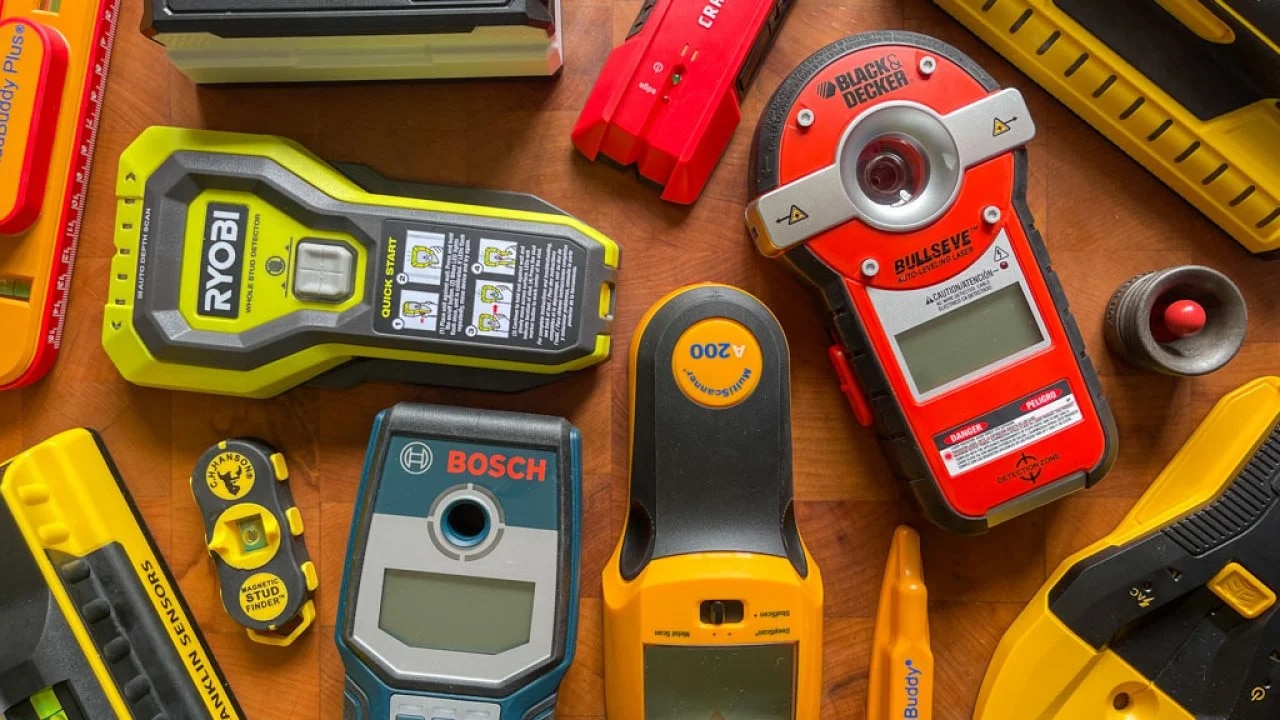
I had a terrifying nightmare when my old sensor failed, and I drilled directly into a live AC line. It was a painful and anxious moment watching sparks fly because I was too tired to double-check the wall. Choosing the right tool is a difficult task, and the worst situation is flooding your home or causing an electrical fire just because your device was inaccurate. 🛠️
Many users face the annoying reality of false positives and terrifying hidden obstacles that lead to nightmare repair costs. Selecting from the best 5 stud finders is the only way to avoid these painful mistakes during your renovation. This article serves as your ultimate guide to finding a solution that provides peace of mind and precision scanning. 🏠
We understand the anxious feeling of not knowing what lies behind the drywall. Whether it is a difficult plumbing pipe or a hidden wooden beam, the worst outcome is a structural disaster. Our evaluation highlights common user frustrations and provides a clear path to safety. 🔍
Stop guessing and start measuring with confidence using our top-rated selections. Below, we break down the most reliable options to ensure your next project is a success rather than a terrifying disaster. Let us explore the evaluation standards and the best 5 stud finders currently leading the market. ✨

Daniel Flynn - Research Analysis
We measure how precisely the device identifies the center and edges of studs across various wall materials.
This evaluates the maximum thickness of material the sensor can penetrate to find hidden metal or wood.
We assess the clarity of the LCD screen, audio alerts, and the ease of interpreting scanning data.
This focuses on the reliability of live AC wire detection to prevent dangerous drilling accidents during projects.

The PinWaller Stud Finder currently dominates the market as the premier choice for both homeowners and contractors. Its multi-mode scanning capabilities allow users to transition seamlessly between wood, metal, and live wire detection with unmatched precision. This device stands out due to its 4.7" maximum scanning depth, which is significantly deeper than standard consumer models. 🚀
Equipped with an advanced Automatic Self-Calibration Function, this tool eliminates the guesswork that often leads to nightmare drilling errors. The technology ensures that the sensor adjusts to the wall density instantly, providing high-precision results every single time. Users can rely on the Deep Detection mode to uncover obstacles hidden behind thick plaster or double-layered drywall without any anxious hesitation. 🎯
The large digital LCD display acts as the brain of the operation, showing real-time data on signal strength and the exact center point of the target. This user-friendly interface makes it incredibly simple for novices to operate, reducing the annoying learning curve associated with professional gear. By providing audible and visual alerts, the device ensures you never accidentally pierce a pipe or a live wire. 📢
Safety is a primary value proposition for this model, as it specifically targets the terrifying risk of electrical hazards. The AC Scan mode is highly sensitive, picking up live currents even through dense materials. Its ergonomic design ensures comfortable handling during long scanning sessions, making it a versatile tool for entire home renovations. You can feel the durable build quality the moment you pick it up.
In real-world applications, this stud finder has saved countless users from painful financial losses caused by accidental wall damage. The battery monitoring feature ensures that you are never left guessing about the device's power level in the middle of a difficult task. It is truly a comprehensive solution for anyone looking to maximize their detection precision while maintaining a safe working environment. 🛠️
Whether you are mounting a heavy television or installing new shelving, the magnetic object detection adds another layer of utility. This level of multi-function detection is rare in this price bracket, offering exceptional value for money. The PinWaller has consistently received high praise for its reliable performance and its ability to handle diverse surface compatibility across various construction types.
Choosing the best 5 stud finders means prioritizing tools that offer automatic calibration and enhanced safety features. This model excels in every category, providing a comfortable grip and precise depth measurements that few competitors can match. It is the definitive choice for those who refuse to compromise on accuracy and safety during their DIY journey. ✅
The PinWaller is our top choice because it offers professional-grade depth and accuracy at an accessible price. This limited offer provides the best safety features on the market, ensuring you avoid costly mistakes. If you want the most reliable scanning experience, this is the tool to secure today.

The JAXWQ model utilizes an intelligent micro-sensor chip to provide swift and sensitive detection of wall components. This technology is designed to help users identify the exact location of wooden studs and metal pipes with minimal delay. It serves as a reliable middle-ground option for those who need efficiency without a professional price tag.
A standout feature is the bright backlit LCD display, which remains visible even in dimly lit construction environments. The screen provides clear visual cues regarding the edges and center points of the detected objects. This visual feedback is complemented by audio notifications that simplify the process of pinpointing exact stud positions behind the drywall.
This device offers multiple scanning modes, including specialized settings for deep scans and metal detection. Such versatility ensures that the tool can be used for a wide variety of household projects, from hanging pictures to installing heavy cabinets. It provides a well-balanced combination of functionality and ease of use for the average homeowner.
While it may lack the extreme depth of our top pick, the user-friendly design makes it very approachable for beginners. The compact and portable nature of the unit allows for easy storage in any standard toolbox. It remains a cost-effective choice for those who prioritize a simple interface and consistent performance in standard wall types.

The BOSCH GMS 120 is a professional-caliber scanning tool designed for those who require high-precision engineering. It is particularly effective at identifying wooden studs, metal objects, and live electrical wiring in complex environments. This brand is well-known for producing dependable construction equipment that stands the test of time.
One of the most innovative aspects of this model is the illuminated ring indicator that changes color based on detection status. This provides an intuitive way to understand what is happening behind the wall without constantly staring at the screen. The automatic center-finding function is highly accurate, making it a favorite for precise mounting tasks.
The unit features an illuminated graphical interface that displays the current mode and signal strength clearly. While the advanced features might require a bit more time to master, the detection strength data is invaluable for professional applications. It is built with a durable outer casing to withstand the rigors of a busy job site.
Although it carries a higher price point, the multi-mode detection system justifies the investment for serious DIYers. The ability to detect non-ferrous metals and live wires with high reliability reduces the risk of accidental drilling damage. It remains a trusted industry standard for those who demand the highest levels of scanning precision.

The ProSensor M210 is unique because it utilizes groundbreaking multi-sensor technology featuring 13 individual sensors. This array allows the device to see a wider area of the wall simultaneously compared to single-sensor models. It is specifically designed to provide superior accuracy when searching for wooden wall studs.
One of the biggest advantages is that it eliminates manual calibration, allowing you to start scanning immediately. You can place the device anywhere on the wall, even directly over a stud, and it will still provide an accurate reading. This time-saving feature is a major draw for users who find traditional calibration processes frustrating.
The display is capable of revealing entire studs by showing the edges and the center at the same time. This is particularly helpful when dealing with irregular stud configurations or double-stud structures that might confuse other detectors. It works effectively through various common wall materials like drywall and wood siding.
However, it is important to note that this model is limited to stud detection and does not offer metal or live wire scanning. This makes it a specialized tool rather than a multi-purpose scanner. It is an ideal choice for users who are strictly focused on carpentry and framing tasks rather than electrical work.

The ProSensor 710+ offers a simplified one-mode operation that appeals to those who want a no-fuss tool. Like other models in this line, it uses a multi-sensor array to detect what is behind the drywall. This ensures that the user gets a reliable reading without having to toggle through complex settings.
This model is excellent at revealing non-standard arrangements of studs that might be missed by less sophisticated sensors. It displays the entire stud width using a horizontal bar of lights, making it very easy to mark your drilling points. It is highly effective for basic home improvement projects like hanging heavy mirrors.
Because it requires no manual calibration, it is one of the fastest tools to use for quick checks. The straightforward interface is perfect for beginners who might be intimidated by digital screens and multiple buttons. It provides consistent performance across different depths of drywall and common wall coverings.
While it lacks advanced wire detection, its core performance as a stud locator is solid for everyday tasks. It is a dependable entry-level option for those who value simplicity over a long list of technical features. It remains a popular choice for those who want a dedicated tool for basic framing identification.
Stud finders are essential handheld electronic devices used to locate framing studs located behind the surface of a wall. These tools are critical for safe mounting of heavy objects like televisions, cabinets, and shelving units.
Most modern versions use capacitance sensors to detect changes in the dielectric constant of the wall. This allows them to identify where a solid object like a wooden beam or metal pipe is located relative to the hollow space.
Advanced models also include AC wire detection and metal scanning capabilities to prevent accidental damage to utilities. Using these tools ensures that your fasteners are securely anchored into the structural frame of the building.
Whether you are a professional contractor or a DIY enthusiast, a stud finder is a mandatory part of your toolkit. It provides the precision and safety needed to complete home improvements without costly structural or electrical errors.
What To Avoid When Choosing the Stud Finder
Daniel Flynn - Analysis Research
Owned by Elixovs Global Limited
© All Rights Reserved! TopConsumersPick 2021 – 2025