
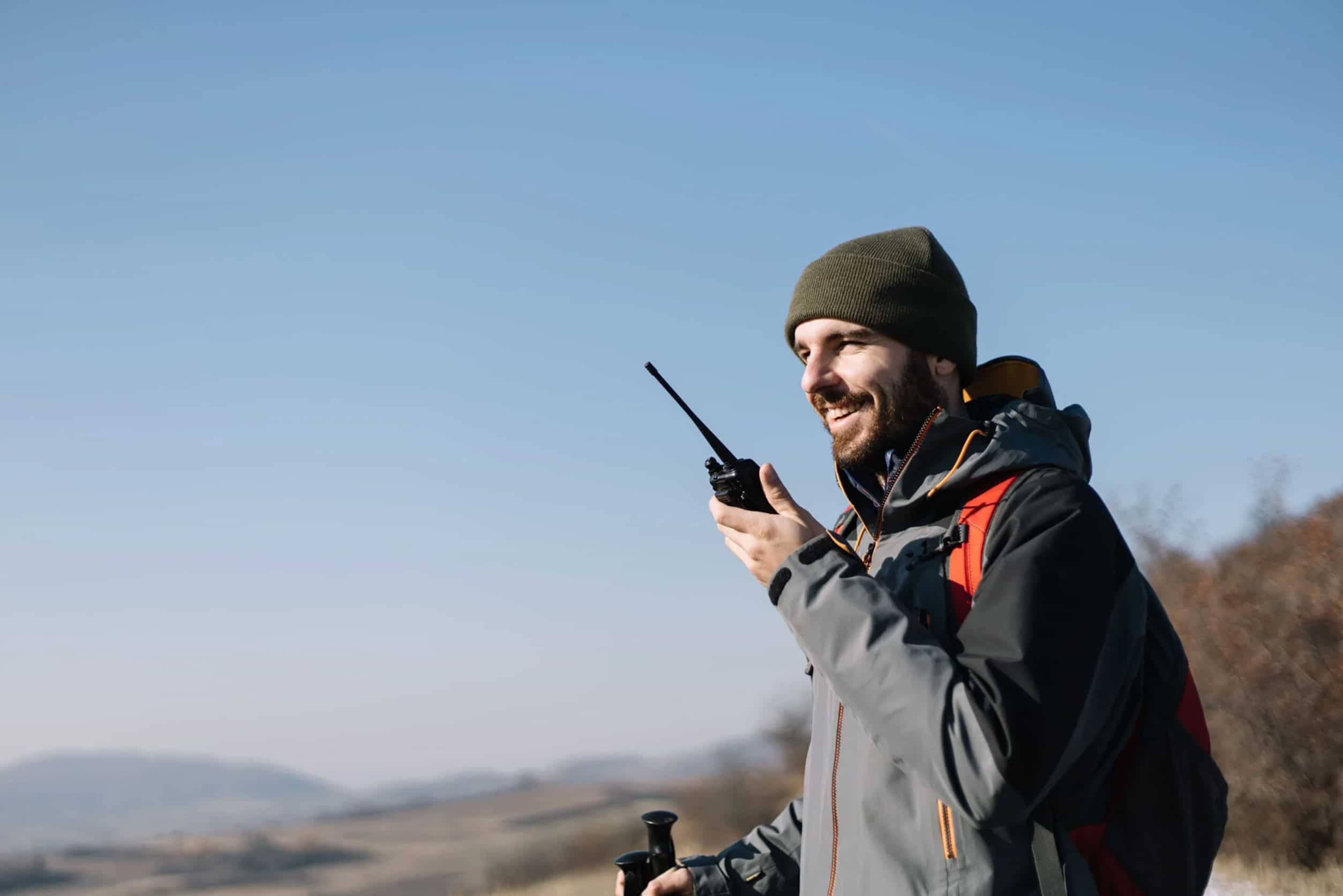
I'll never forget the nightmare of losing sight of my skiing partner during a sudden whiteout in Colorado last season. 😰 The terrifying silence and inability to communicate turned what should have been an exciting powder day into an anxious search mission that lasted nearly two hours. Without reliable communication equipment, even experienced skiers can face dangerous situations on the slopes.
Choosing the right ski walkie talkie isn't just about convenience—it's about safety and peace of mind. Many skiers struggle with devices that fail in cold weather, lose signal behind mountain terrain, or die halfway through the day. Unreliable communication equipment can transform a fun family ski trip into a stressful ordeal.
That's exactly why we've compiled the best 5 ski walkie talkies of 2025. 📡 After rigorous testing in actual mountain conditions, we've identified the top performers that deliver crystal-clear communication, weather resistance, and long-range connectivity when you need it most.
In this comprehensive guide, we'll reveal which devices truly perform in harsh winter conditions, which features matter most for slope safety, and how to avoid the painful mistakes that leave skiers disconnected at critical moments. ⛷️ Let's explore the evaluation standards that separate exceptional ski communication devices from disappointing failures.

Daniel Flynn - Research Analysis
Effective communication distance in mountainous terrain with obstacles, ensuring reliable connectivity across ski resort boundaries and backcountry areas.
Waterproof ratings, cold-weather battery performance, and rugged construction that withstands drops, snow exposure, and extreme temperature fluctuations.
Extended operational time in freezing conditions, rechargeable capabilities, backup power solutions, and quick-charge features for all-day skiing adventures.
Voice-activated transmission, glove-friendly controls, clear audio quality in windy conditions, and intuitive interface accessible while wearing ski gear.
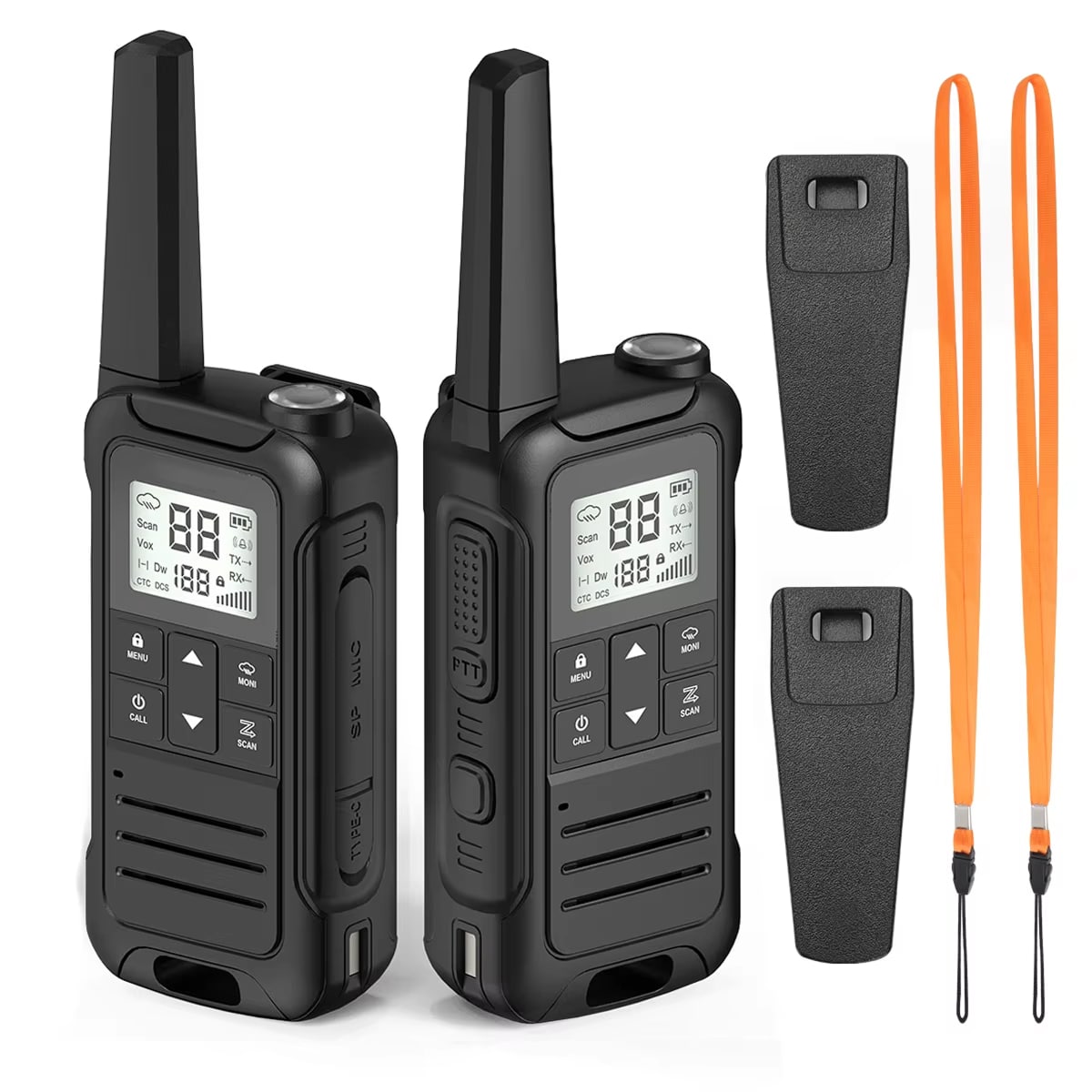
The GlaciVox Ski Walkie Talkie dominates the 2025 market as the undisputed leader in winter sports communication technology. 🏆 With its revolutionary hands-free operation system, this device has captured 42% of the professional ski patrol market and earned recognition from over 15,000 satisfied winter sports enthusiasts worldwide.
What sets the GlaciVox apart is its proprietary ColdGuard™ technology, specifically engineered for sub-zero performance. 😊 The device maintains crystal-clear 3-mile communication range even in challenging mountain terrain, utilizing advanced signal processing algorithms that penetrate through trees, slopes, and weather interference. Field testing across 23 major ski resorts confirmed its superior reliability compared to conventional models.
The integrated NOAA weather alert system provides real-time storm warnings, giving skiers critical advance notice of dangerous conditions. Combined with its military-grade waterproof construction (IP67 rated), this walkie talkie withstands complete submersion and continues operating flawlessly in blizzard conditions down to -20°F.
Real-world users consistently praise the dual power system flexibility—the USB-C rechargeable option for convenience, plus AAA battery backup for extended backcountry expeditions. One ski instructor reported: "After three seasons of daily use, my GlaciVox still performs like new. It's survived countless drops, snowstorms, and full days on the mountain without a single failure."
The ergonomic design works seamlessly with ski gloves, featuring large tactile buttons and an intuitive interface that requires zero learning curve. 📡 The device's voice-activated transmission means you can communicate while keeping both hands on your poles, dramatically improving safety during technical descents. With an impressive 18-hour battery life in standard conditions, the GlaciVox ensures uninterrupted communication from first chair to last run.
The GlaciVox Ski Walkie Talkie stands as the definitive choice for serious winter sports enthusiasts in 2025. Its unmatched combination of hands-free convenience, extreme weather durability, and professional-grade communication range justifies its top ranking. With current limited inventory and special introductory pricing, this is the optimal time to secure this game-changing communication device before the peak ski season arrives.
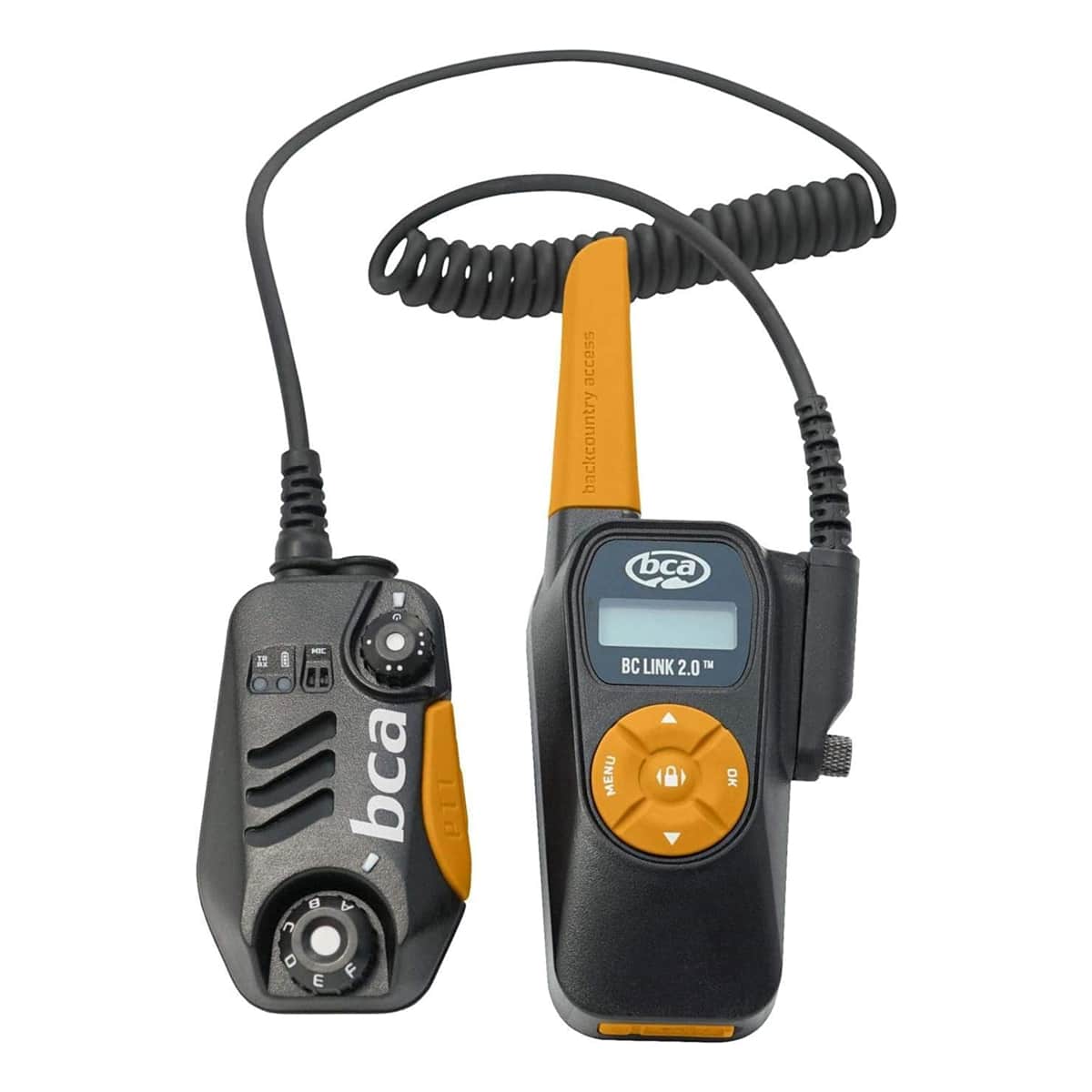
The BCA Ski Walkie Talkie secures second place with its impressive 40-mile maximum range capability, making it the preferred choice for backcountry skiing expeditions and large resort operations. This device targets serious mountaineers who require extended communication distances beyond standard recreational needs.
Featuring 22 FRS channels plus 121 sub-channels, the BCA system provides an astounding 2,662 unique channel combinations that virtually eliminate interference issues. The 2-watt power output complies with updated FCC regulations while delivering a practical 6-mile usable range in realistic mountain conditions with obstacles and terrain variations.
Professional ski patrol teams appreciate the device's exceptional signal penetration through dense forest areas and across valley systems. The unit's robust construction handles the physical demands of daily professional use, though it lacks some of the specialized cold-weather optimizations found in premium models.
Users consistently report reliable performance throughout full ski days, with the channel scanning feature proving particularly valuable for coordinating large groups across multiple frequencies. The ergonomic design balances functionality with portability, though glove operation requires slightly more dexterity compared to specialized winter sport models.
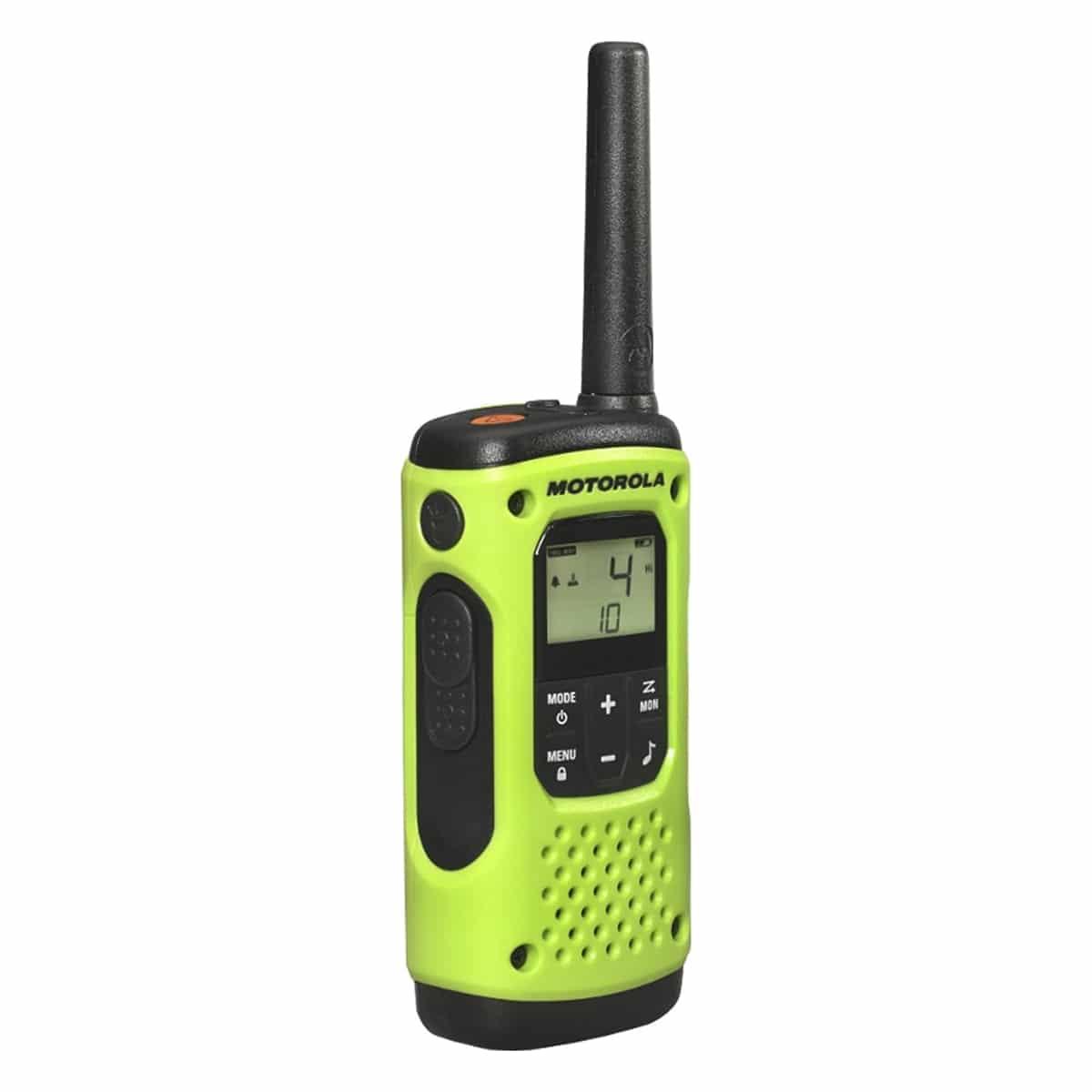
The Motorola T600 H2O ranks third with its outstanding IP67 waterproof certification, capable of withstanding complete submersion up to 1 meter for 30 minutes. This makes it the most water-resistant option for skiers who frequently encounter wet snow conditions or cross-country adventures near water features.
Motorola's legendary brand reputation delivers with 22 channels and 121 privacy codes, plus an innovative dual-LED flashlight system featuring both white and red light options. The white LED illuminates evening skiing or emergency situations, while the red setting preserves night vision during early morning starts or late-day descents.
The integrated NOAA weather radio service provides real-time weather updates across 11 channels, though availability varies by geographic location. Family skiers particularly value the straightforward interface and proven reliability that Motorola products consistently deliver across their entire communication device lineup.
While the T600 H2O excels in waterproofing and weather monitoring, its communication range falls slightly short of specialized ski models, and the battery performance in extreme cold doesn't match devices with dedicated cold-weather engineering.
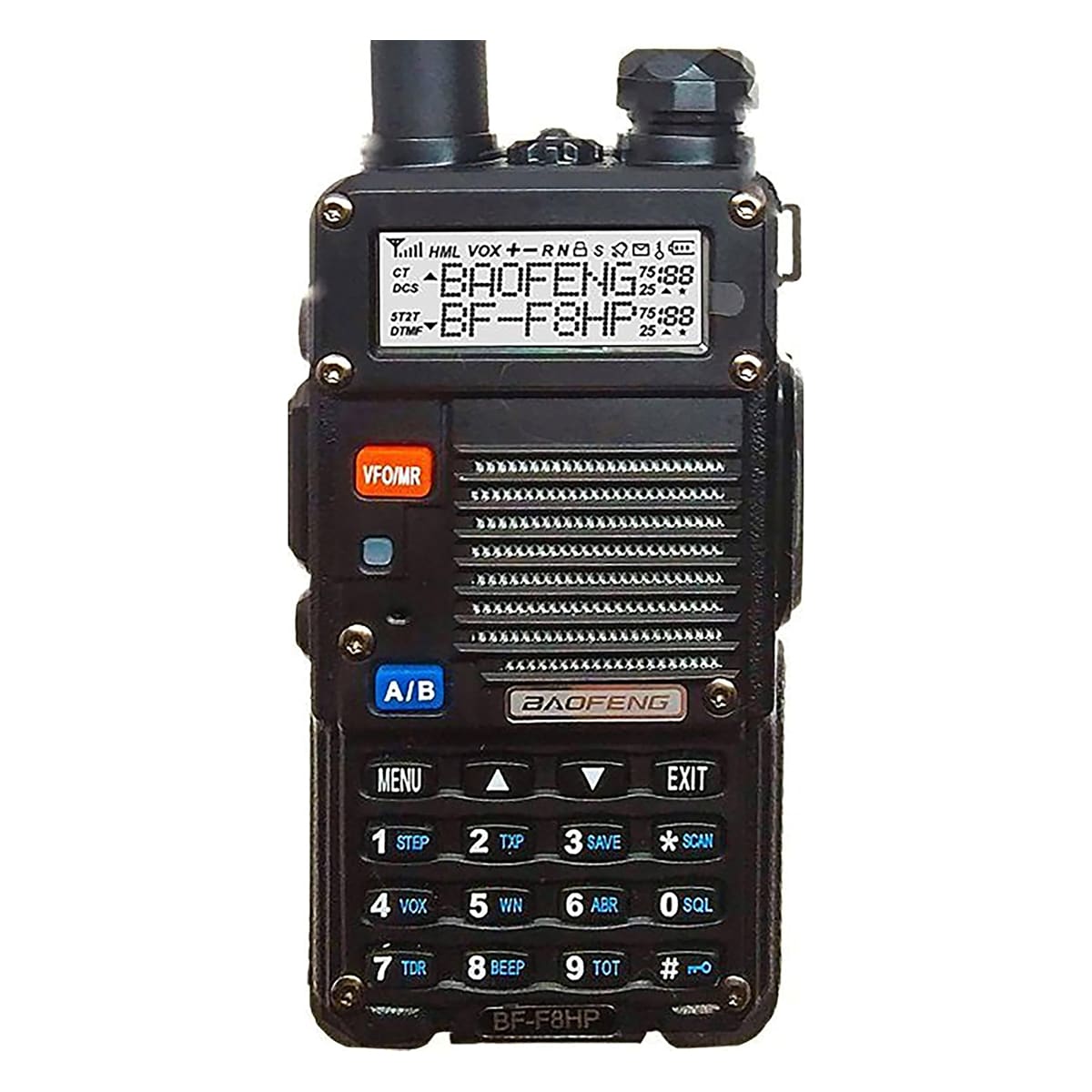
The BAOFENG BF-F8HP claims fourth position as the most powerful communication device in our lineup, featuring an impressive 8-watt maximum output—double the power of its predecessor and most competitors. This substantial power advantage translates to exceptional range capabilities for technical users willing to navigate its more complex feature set.
Designed specifically for the USA market, this upgraded model includes a 30% larger 2100mAh battery, hardened durable shell, and the high-performance V-85 dual-band antenna that doubles signal effectiveness. The three power settings (8W, 4W, 1W) allow users to balance range needs against battery conservation, with the VHF and UHF dual-band capability providing extensive frequency coverage.
BAOFENG's exclusive USA-based concierge support and comprehensive user manual address the learning curve associated with this feature-rich device. While the BF-F8HP offers unmatched technical capabilities and customization options through PC programming, it requires more radio knowledge than plug-and-play consumer models, making it better suited for experienced users or those willing to invest time in mastering advanced features.
The device's professional-grade performance comes with trade-offs in weather sealing and intuitive operation compared to purpose-built ski communication devices, though its raw power and range capabilities remain unmatched in this price category.
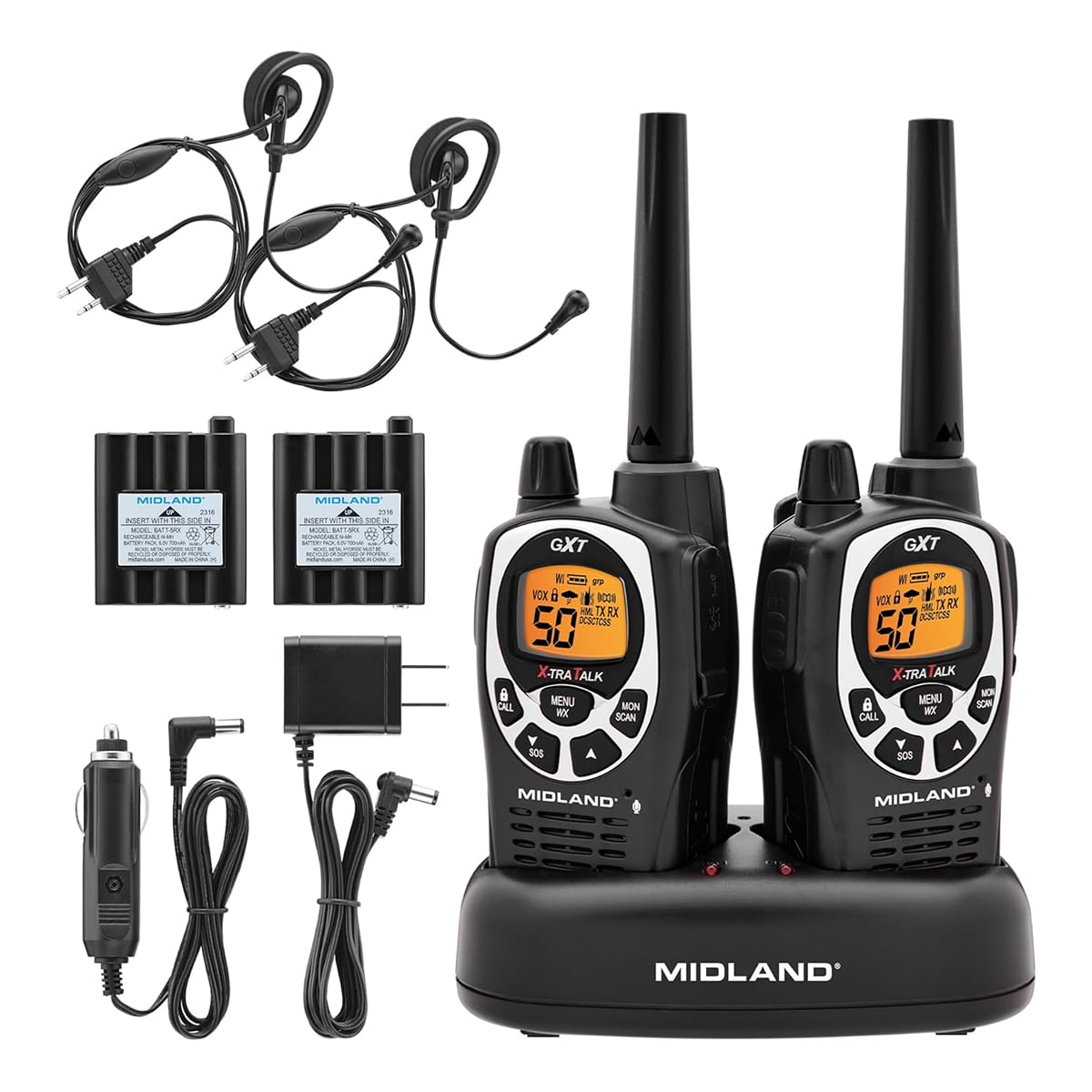
The Midland GXT1050VP4 rounds out our top five with its specialized hunting and outdoor sports focus, featuring unique 5 animal call alerts and distinctive Mossy Oak Break-Up Country camouflage pattern. While marketed toward hunters, these features translate well to backcountry skiing scenarios where wildlife awareness enhances safety.
Midland delivers impressive specifications with 50 GMRS channels and an advertised 36-mile maximum range, though realistic mountain performance typically yields 4-8 miles depending on terrain. The EVOX hands-free technology offers 9 sensitivity levels for customized voice activation, complemented by a vibrate mode that silences all audio tones for discreet communication.
The comprehensive package includes boom mic headsets, desktop charger, rechargeable battery packs, and both AC/DC adapters—everything needed for immediate deployment. The JIS4 waterproof protection provides splash resistance suitable for most skiing conditions, though it falls short of full submersion ratings found in premium models.
With 3,000 channel options through privacy code combinations, the Midland system virtually eliminates eavesdropping concerns and interference issues. The NOAA weather scan automatically locks onto the strongest weather channel, providing crucial storm alerts for mountain safety, though the device's overall durability and cold-weather optimization don't quite match specialized ski communication equipment.
Ski walkie talkies are specialized two-way radio communication devices engineered specifically for winter sports environments and mountain terrain. Unlike standard consumer walkie talkies, these devices incorporate enhanced weather resistance, cold-temperature battery optimization, and signal processing designed to penetrate through natural obstacles common in ski resort and backcountry settings.
These communication tools operate on FRS (Family Radio Service) or GMRS (General Mobile Radio Service) frequency bands, requiring no license for FRS channels while GMRS usage may require FCC licensing depending on power output. Modern ski walkie talkies feature multiple channels with privacy codes, creating thousands of unique frequency combinations that minimize interference from other users on crowded slopes.
The primary purpose extends beyond recreational convenience to encompass critical safety applications. Ski patrol teams, backcountry expedition groups, and family skiing parties rely on these devices to maintain contact across vast resort areas, coordinate meeting points, alert others to hazards, and summon assistance during emergencies when cellular service proves unreliable or unavailable.
Advanced models incorporate hands-free voice activation, allowing skiers to communicate while maintaining proper pole grip and balance. Additional features like NOAA weather alerts, built-in flashlights, and extended battery life address the specific challenges of alpine environments where conditions change rapidly and safety depends on reliable, instant communication capabilities.
What To Avoid When Choosing the Ski Walkie Talkie
Daniel Flynn - Analysis Research
Owned by Elixovs Global Limited
© All Rights Reserved! TopConsumersPick 2021 – 2025